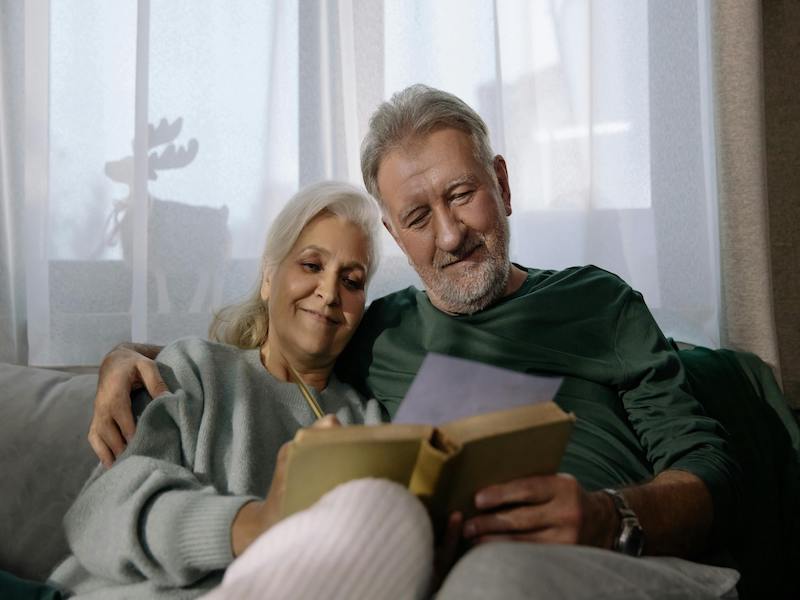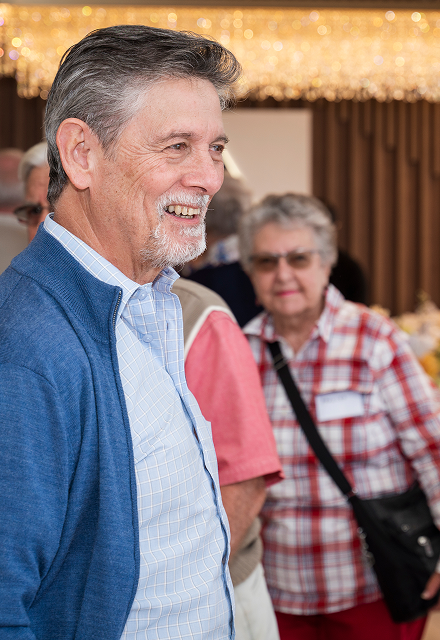
Retirement can be a rewarding stage of life.
For many people, it brings more freedom, more choice and more time to enjoy the things that matter most. It may be a chance to travel, spend time with family, return to old hobbies, try something new or simply enjoy a slower and more considered daily rhythm.
Staying active in retirement is not only about exercise. It can also mean staying socially connected, mentally engaged, physically well and involved in the life around you.
At Marston Living, we believe retirement living should support independence, comfort, connection and peace of mind. Whether you are already active or looking for simple ways to build more activity into your week, here are some practical ideas to consider.
Make movement part of your routine
Regular movement can help support strength, balance, mobility and general wellbeing.
That does not mean you need to take up intense exercise. For many people, staying active may begin with small, enjoyable habits that feel easy to maintain.
This may include:
- Walking
- Gardening
- Swimming
- Gentle stretching
- Yoga or tai chi
- Light strength exercises
- Dancing or social movement
- Recreational activities suited to your ability
The best activity is often the one you enjoy enough to keep doing.
If you are starting a new exercise routine or returning to activity after a break, it is always worth speaking with your doctor or health professional first.
Start with walking
Walking is one of the simplest ways to stay active in retirement.
It can be done at your own pace, requires little equipment and can easily become part of your day. A morning walk, a stroll after lunch or a short walk with a neighbour can support both movement and routine.
Walking can also be a social activity. It may become a way to meet neighbours, explore the local area or spend time outdoors.
In a retirement village, maintained pathways, landscaped surrounds and shared outdoor spaces can make walking feel more convenient and enjoyable, depending on the village.
Choose activities you actually enjoy
It is much easier to stay active when the activity feels enjoyable rather than forced.
Think about what you naturally like doing. Do you enjoy being outdoors? Do you prefer quiet hobbies? Are you energised by group activities? Would you like to try something creative, practical or social?
You may enjoy:
- Gardening
- Art or craft
- Reading groups
- Music
- Local outings
- Gentle fitness classes
- Community events
- Cooking or entertaining
- Games, cards or puzzles
- Learning a new skill
Retirement can be a chance to rediscover interests that may have been put aside during busier years.
Stay socially connected
Social connection is an important part of staying active in retirement.
When work routines change, it can be helpful to create new ways to stay connected with others. This might include regular catch-ups with friends, time with family, joining a local group or taking part in community activities.
A retirement village can make connection feel easier by offering neighbours, shared spaces and social opportunities close to home.
Depending on the village, this may include:
- Resident events
- Interest groups
- Walking groups
- Movie afternoons
- Morning teas
- Gardening groups
- Wellness activities
- Shared lounges or outdoor areas
A good retirement community should offer connection without pressure. You can be as involved or as private as you choose.
Keep learning
Staying active also means keeping the mind engaged.
Retirement can be a wonderful time to learn something new, return to an old interest or explore a subject you have always been curious about.
This may include:
- Taking a short course
- Learning a language
- Joining a book club
- Attending talks or workshops
- Trying technology classes
- Exploring local history
- Learning music, art or craft
- Using puzzles or games to keep the mind engaged
Lifelong learning can add structure, enjoyment and purpose to your week.
It can also create natural opportunities to meet people who share similar interests.
Consider volunteering
Volunteering can be a meaningful way to stay active and connected in retirement.
It gives you the opportunity to contribute your skills, experience and time in a way that feels purposeful.
You may choose to volunteer with a local charity, community group, school, club, garden, church, cultural organisation or cause that matters to you.
Volunteering can help create:
- A sense of purpose
- Regular routine
- Social connection
- Opportunities to share skills
- A stronger connection to the local community
The right volunteering role should feel rewarding, manageable and suited to your interests.
Make travel part of your active lifestyle
For many people, retirement creates more time to travel.
That might mean overseas trips, weekends away, visiting family, short local drives or day trips to places you have always wanted to explore.
Travel can support an active lifestyle by encouraging walking, learning, planning and social connection.
The key is to pace your plans realistically.
Consider:
- How much walking is involved
- How much rest time you need
- Whether the itinerary feels manageable
- How close accommodation is to key services
- Whether travel insurance and medication are organised
- Whether you need extra support at airports or stations
Travel should feel enjoyable, not exhausting.
Build activity into everyday life
Staying active does not always need to involve organised programs.
Everyday routines can also help you stay engaged and moving.
This may include:
- Walking to a nearby cafe
- Spending time in the garden
- Preparing meals
- Visiting family
- Taking part in a regular hobby
- Joining a weekly group
- Using shared village spaces
- Setting aside time outdoors
- Creating a daily or weekly routine
Small, regular habits can make a meaningful difference over time.
Choose a home that supports your lifestyle
Your home can make it easier or harder to stay active.
A large family home may come with a long list of responsibilities, from lawns and gardens to repairs, gutters and cleaning. Over time, this can take energy away from the things you would rather be doing.
A more manageable home can help create more time and freedom for the lifestyle you want.
Retirement village living may support an active retirement by offering:
- Low-maintenance homes
- Shared facilities and outdoor spaces
- Social opportunities
- A community environment
- Maintained village surrounds
- Neighbours at a similar stage of life
- Greater peace of mind
For people exploring premium or luxury retirement living in Sydney, the value is not only in the home or facilities. It is in how the whole environment supports comfort, independence, connection and everyday enjoyment.
Stay active at your own pace
There is no single right way to stay active in retirement.
Some people enjoy busy weeks filled with activities, travel and social events. Others prefer a quieter rhythm with walking, hobbies, family time and occasional community involvement.
The most important thing is to choose activities that suit your interests, energy and lifestyle.
You may want to start with one small change:
- A short daily walk
- One social activity each week
- A new hobby
- A regular family catch-up
- A volunteer role
- A weekly class or group
- A quiet routine that gives your day structure
Staying active should feel supportive, not stressful.
Questions to ask yourself
If you are thinking about how to stay active in retirement, consider:
- What activities do I already enjoy?
- What have I always wanted to try?
- Do I want more social connection?
- Would I like a more manageable home?
- What gives my week structure?
- Do I want to travel more?
- Would I benefit from less maintenance?
- What kind of community would suit me?
- How can I stay active in a way that feels realistic?
Your answers can help shape a retirement lifestyle that feels right for you.
Explore retirement living with Marston Living
At Marston Living, our communities are designed to support independence, comfort, connection and peace of mind.
We understand that retirement is not simply about where you live. It is about how you want to spend your time, who you want around you and what kind of lifestyle will support your next chapter.
Whether you are beginning to explore retirement living or ready to visit in person, our team can help you understand your options with clarity and confidence.
To learn more about Marston Living retirement villages, call 1300 040 588 or email info@marstonliving.com.au.